
Your reliable Partner for all questions concerning hunting law
Hunting law is a specialized area of law that regulates the practice of hunting and the handling of wild animals. It encompasses a wide range of topics, including the issuance and renewal of hunting licenses, the drafting and review of hunting lease agreements, and the settlement of claims for damage caused by wildlife. It also addresses firearms law and the provision of liability insurance for hunters.
Hunting license: Application and legal basis for hunting
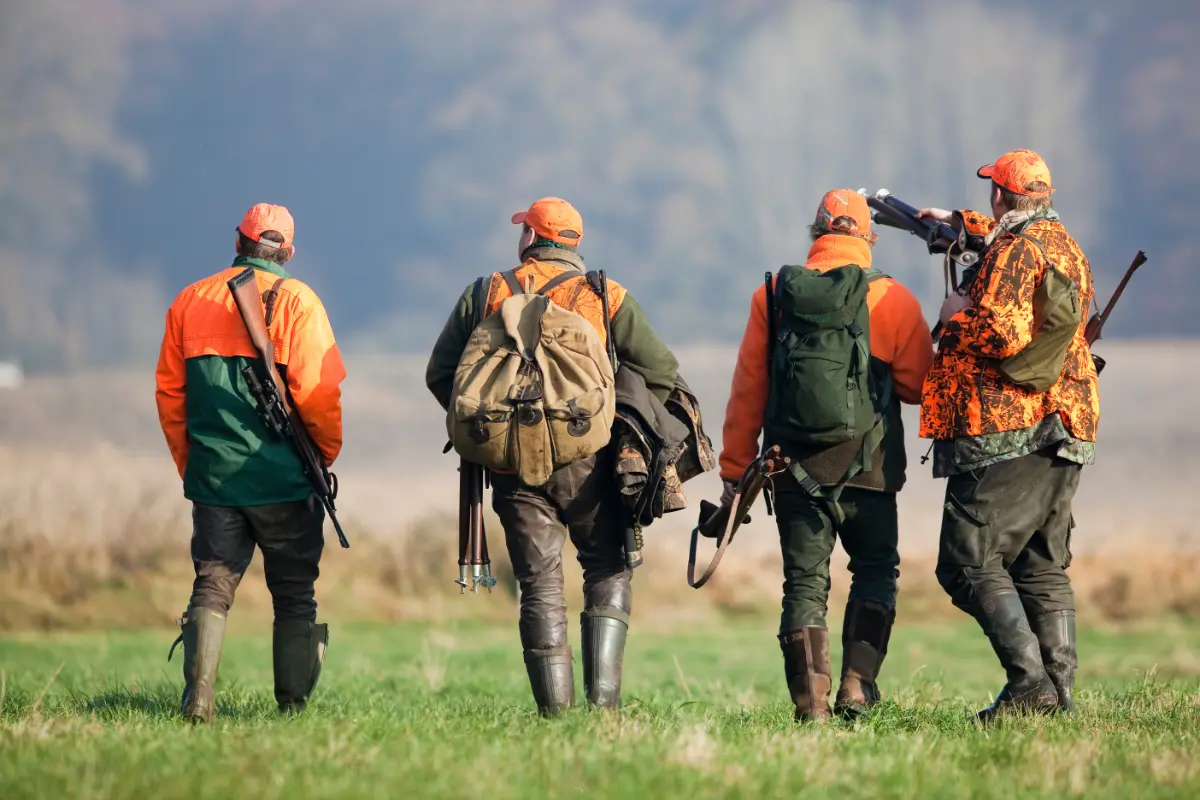
A hunting license is an official document that authorizes the holder to hunt. It is issued by the responsible hunting authority and requires successful completion of a hunter’s examination. This examination covers both theoretical and practical knowledge in the areas of wildlife biology, firearms knowledge, hunting law and practice, and nature conservation.
Requirements for a hunting license
Types of hunting license
Hunting law provides for different types of hunting licenses, which can be selected depending on the need and duration of hunting:
This hunting license is valid for one or more days and is suitable for short-term hunting trips or guest hunts.
The annual hunting license is valid for one year. It is ideal for hunters who are active regularly and throughout the entire hunting year.
This hunting license is valid for three years and offers a long-term solution for passionate hunters who want to pursue their passion for hunting regularly.
Every type of hunting license must be applied for at the responsible hunting authority and renewed in accordance with legal requirements.
How we as a Lawyer can help you with the topic of “hunting license”
As experienced lawyers specializing in hunting law, we support you with all legal aspects related to hunting licenses. Our services include:
Hunting Lease Agreements: Framework and Structure
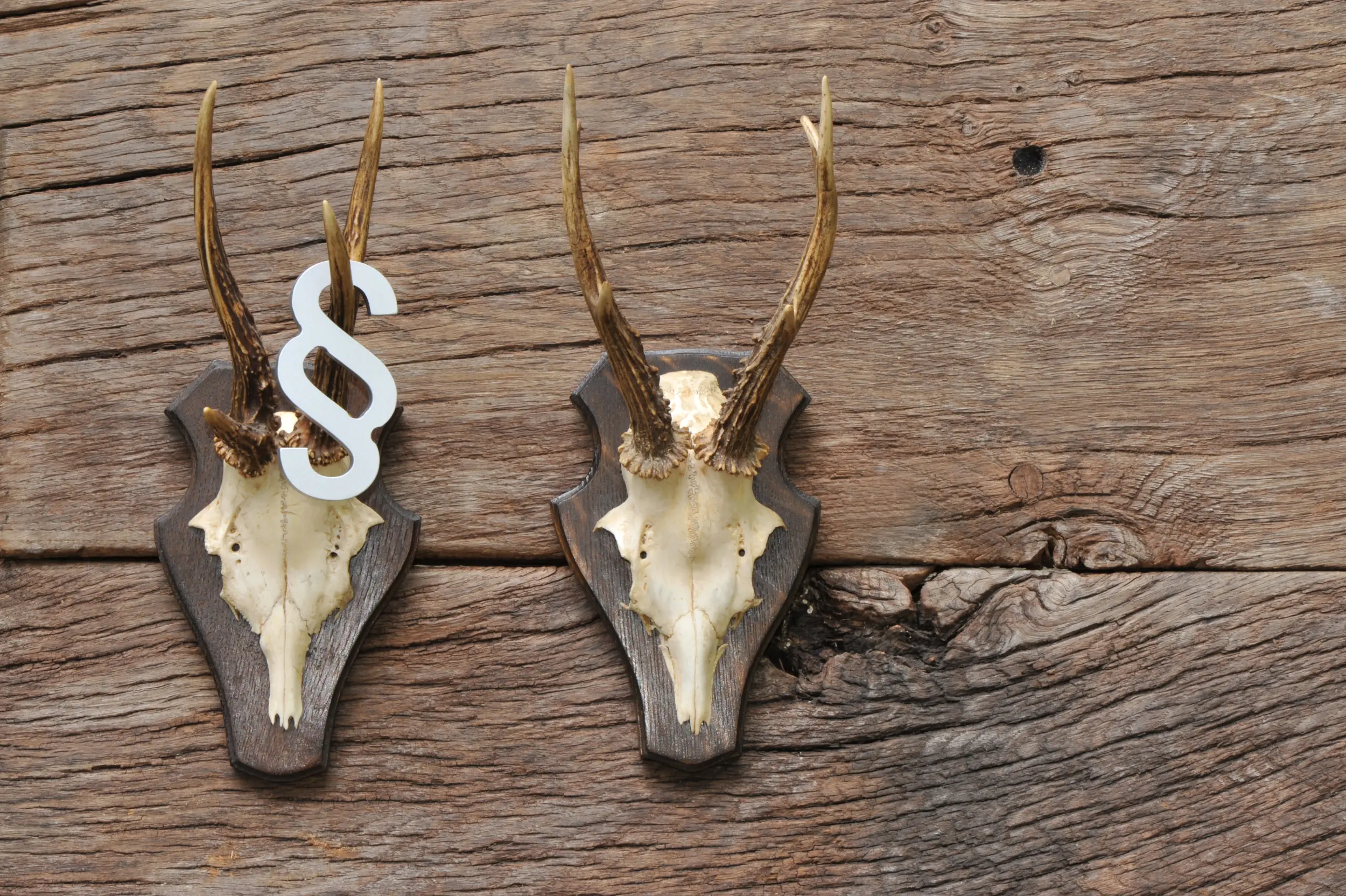
Hunting lease agreements govern the transfer of hunting rights in a specific area from the lessor (landowner) to the lessee. They define the rights and obligations of both parties and ensure that the hunting use of the land is clearly and legally defined.
A well-drafted hunting lease agreement covers aspects such as the lease term, the annual lease payment, specific usage rights, obligations for the care and management of game populations, as well as regulations regarding liability and termination. Such agreements are essential to ensure legal clarity and a harmonious relationship between the hunting lessee and the lessor.
Drafting and reviewing hunting lease agreements:
The drafting and review of hunting lease agreements is crucial to ensuring clear and legally sound relationships between hunting leaseholders and lessors. A well-prepared contract regulates the essential aspects and ensures that both parties are fully aware of their rights and obligations.

Wildlife Damage Compensation: Claims, Procedures and Prevention
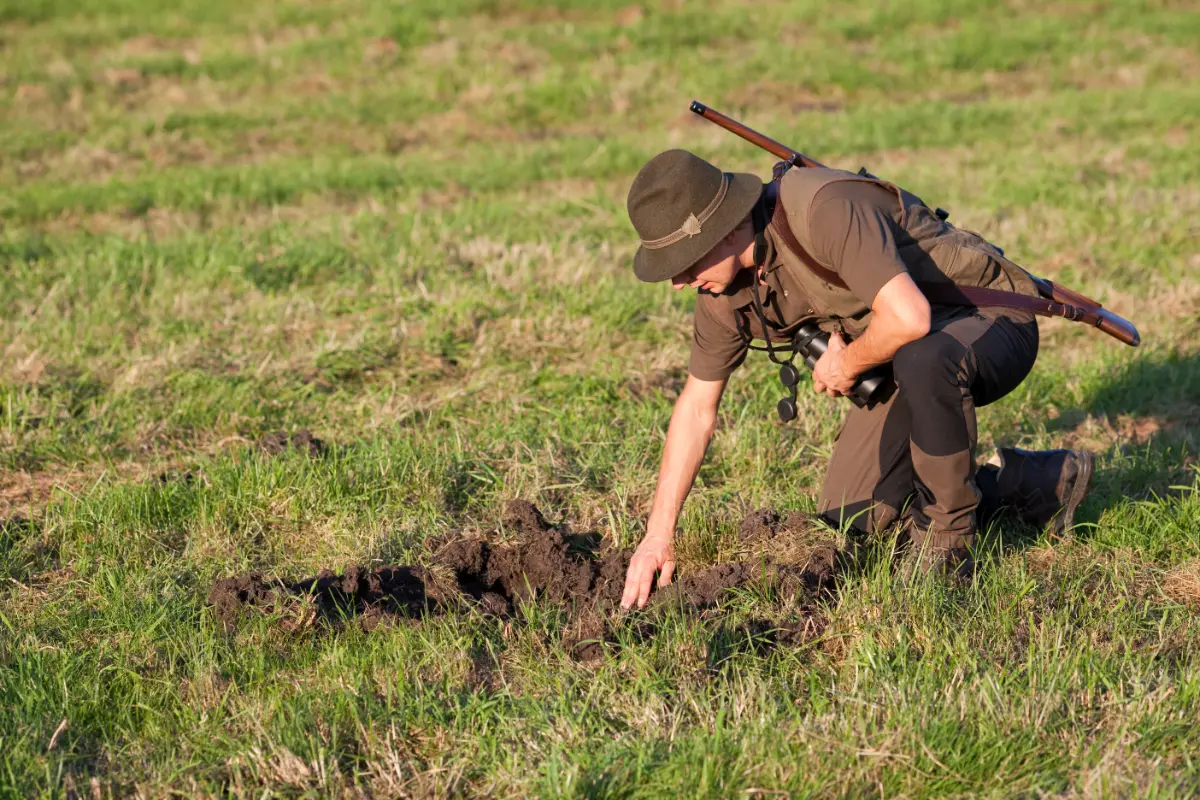
Wildlife damage compensation is a central component of hunting law and deals with the reimbursement of damage caused by wild animals. This damage can affect agricultural land, forests, or gardens and cause significant economic losses. Managing wildlife damage claims requires a thorough understanding of the legal framework as well as careful documentation and assessment of the damage.
Types of wildlife damage
Damage caused by wild animals can occur in various areas and cause significant economic losses.
The most common types of wildlife damage include:
These affect fields and crops damaged by wild animals such as wild boar, deer, or hares. Such damage can result in crop failures and financial losses for farmers.
Wild animals can damage young trees and forest stands by eating the bark or exposing the roots. This can impair tree growth and have long-term effects on forestry.
Both private and public gardens can be damaged by wild animals. This includes damage to ornamental plants, vegetable beds, and fruit trees caused by animals such as deer or rabbits.
Wildlife Damage Compensation: Legal Basis and Measures
Claims for damage caused by wild animals are based on various legal regulations and ordinances that define the rights and obligations of the parties involved. It is crucial to determine who is liable for damage caused by wild animals and under what conditions this liability applies. These regulations also clarify the prerequisites for claims for damages.
Documentation and assessment of wildlife damage
Precise documentation and assessment of damages are essential steps in the claims settlement process. Methods for recording damages and specific criteria for assessing the extent of the damages are crucial for asserting well-founded compensation claims.
Claiming compensation for damage caused by wild animals
The obligation to report damage caused by wild animals requires that such damage be reported promptly in order to enforce compensation claims. This includes the precise documentation and assessment of the damage, as well as the submission of claims to the responsible authorities.
Preventive measures against wildlife damage
Protective measures, such as erecting fences and using wildlife deterrent systems, are essential to prevent damage caused by wildlife. Close cooperation with farmers and hunters helps to implement preventative measures effectively and to achieve a balance between agricultural use and wildlife populations.
Firearms Law: Legal Regulations Regarding the Acquisition, Possession and Handling of Firearms
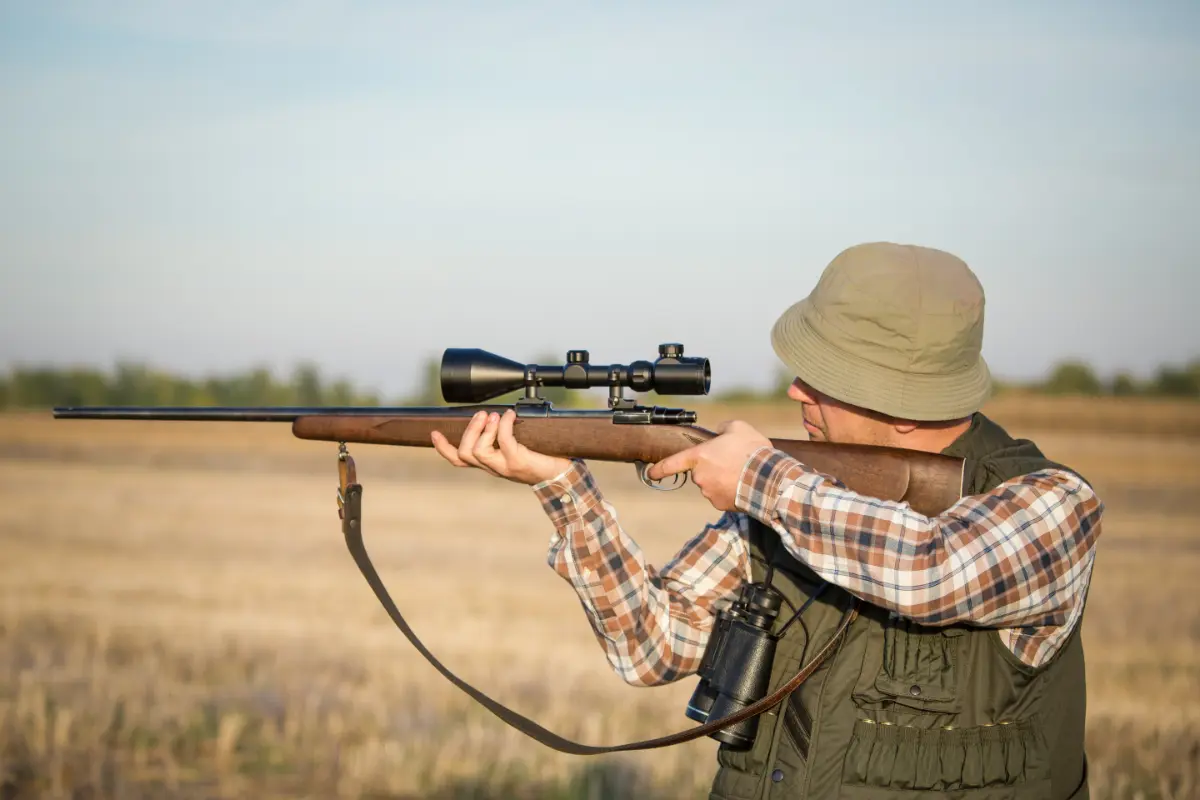
Firearms law is a complex area of law that regulates the acquisition, possession, transport, and storage of weapons. It is particularly crucial for hunters to be thoroughly familiar with and adhere to the legal requirements to avoid legal problems. Our law firm offers comprehensive advice and support on all matters relating to firearms law, ensuring you can act safely and in accordance with the law.
Legal Regulations
German firearms law is based on the Weapons Act (WaffG), which strictly regulates the acquisition and possession of firearms. A key provision is the licensing requirement, which necessitates official authorization for firearm possession. This authorization requires personal suitability, reliability, and professional competence to ensure public safety and prevent misuse.
Acquisition and possession of weapons
To obtain a firearms license, requirements such as personal suitability, reliability, and professional competence must be met and demonstrated to the relevant authority. Legally acquired firearms must be registered, and ownership must be verifiable at all times through documents such as a firearms ownership card. This ensures that only suitable individuals have access to firearms and use them responsibly.
Safety regulations and transport of weapons
Compliance with safety regulations and the proper storage and transport of weapons are essential to ensure the responsible handling of weapons and to guarantee public safety.
The necessary training for the safe handling of firearms, including emergency procedures, is mandatory. This training imparts basic knowledge of firearms handling and safety precautions. Furthermore, there are specific regulations for the safe use of firearms, which must be observed both privately and for hunting purposes. These include the proper securing of firearms and ammunition, as well as correct handling during transport and storage.
Firearms must be unloaded and transported in locked containers. At home, firearms and ammunition must be stored securely in certified gun safes to prevent unauthorized access.
Violations and penalties
The exact penalties depend on the severity of the violation and range from administrative measures to criminal prosecution. Possible penalties include:
Your legal support in weapons law – contact us now!
Our law firm offers comprehensive support in all aspects of firearms law. We provide legal advice, assist you with permit applications for firearms acquisition and possession licenses, and represent you in legal disputes and cases involving violations of firearms law.
Trust in our expertise to resolve your legal questions and concerns safely and competently. Contact us today for a personalized consultation.
Hunting liability insurance: Necessity and legal protection for hunters
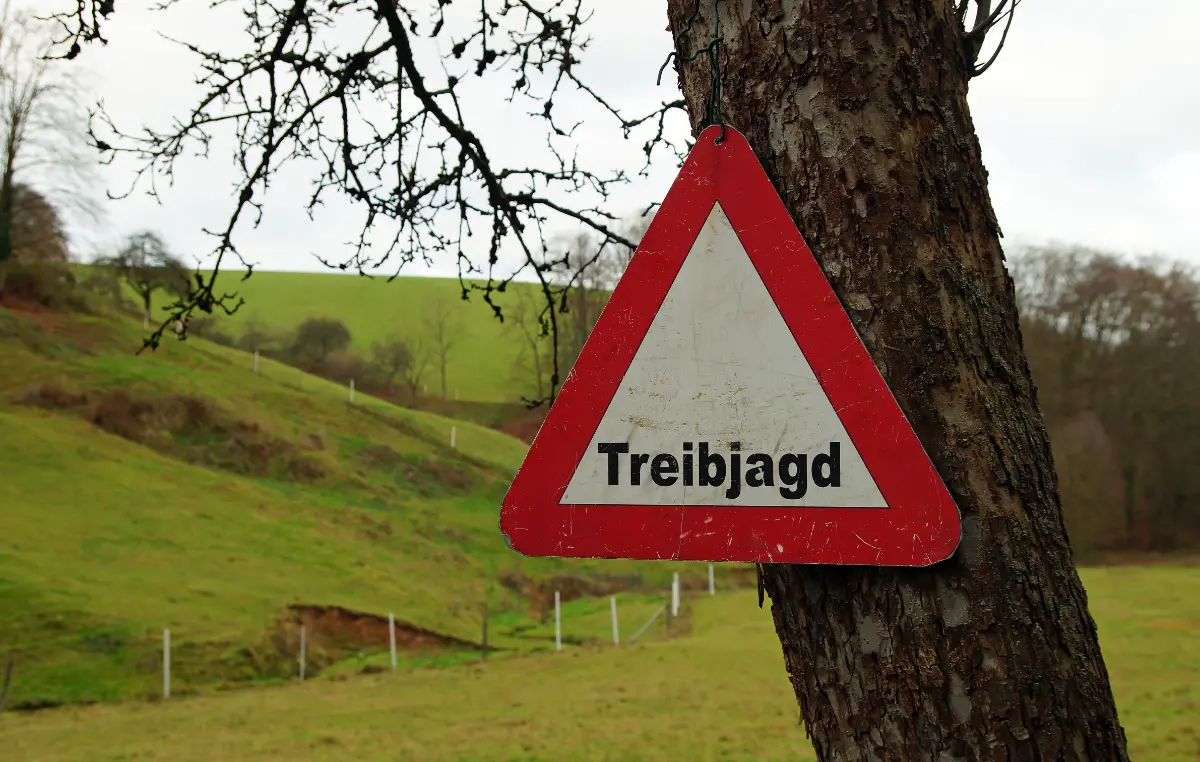
Hunting liability insurance is essential protection for every hunter. It covers personal injury, property damage, and financial losses that may occur during hunting. Hunting liability insurance is legally required in Germany and is therefore mandatory for all hunters.
By insuring against such risks, it is ensured that hunters are not held personally liable in the event of damage and that financial burdens can be avoided.
Scope of Coverage
Hunting liability insurance offers comprehensive protection and covers various types of damage:
Requirements
In order to take out hunting liability insurance, certain conditions must be met:
Claims and benefits
In the event of damage, it is important to submit the claim to the insurance company immediately and within the specified deadlines. The exact procedure for reporting the damage should be found in the policy terms and conditions. Hunting liability insurance offers a comprehensive overview of the benefits provided in the event of a claim. These include coverage of legal fees and compensation for personal injury, property damage, and financial loss. These benefits ensure that hunters are financially protected in the event of a claim and receive support in processing it.
Our Services
We offer comprehensive support in all aspects of hunting liability insurance:
Faqs
A hunting license is an official permit to hunt. It is issued after successfully passing the hunter’s examination and proving reliability.
There are daily hunting licenses, annual hunting licenses and three-year hunting licenses, depending on the duration of validity.
Hunting lease agreements regulate the transfer of hunting rights from the landowner to the hunting lessee, including the rights and obligations of both parties.
It relates to compensation for damage caused by wild animals and includes damage documentation and assessment as well as the assertion of claims.
The acquisition and possession of weapons is subject to the Weapons Act (WaffG), which regulates, among other things, the licensing requirement and safety regulations.
Hunters must complete training in the safe handling of weapons and comply with strict safety requirements when using and storing weapons.
Firearms must be unloaded and transported in locked containers. At home, they must be stored securely in certified gun safes.
Violations can lead to fines, revocation of firearms licenses, and imprisonment.
Your Contact Person