
The dark side of digitalization: Cybercrime as a global challenge
Digitalization is changing the world in which we live and work. But it also brings significant risks. Every day, over 450,000 new malware programs are discovered worldwide – an alarming number that underscores the growing threat of cybercrime. From sophisticated phishing and identity theft to complex hacking attacks and crypto trading fraud, cybercrime is one of the greatest challenges of our time. Particularly worrying is the fact that both large corporations and private individuals are increasingly becoming targets of cybercriminals.
We support you in these areas
Cybercrime in the digital age
Cybercrime has become one of the fastest-growing and most lucrative areas of crime. Crimes in the digital space encompass a wide range of illegal activities that are constantly evolving.
The current figures are alarming:

Cybercriminals use a variety of sophisticated methods to gain access to sensitive data, sabotage systems, or cause financial damage. An overview of the most common attack strategies will help you identify risks early and protect yourself.
Krypto-Trading-Betrug
With the rise of cryptocurrencies like Bitcoin and Ethereum, an innovative market has emerged, opening up new opportunities for investors worldwide. At the same time, however, it also provides fertile ground for criminal activity. Crypto trading fraud is among the most dangerous forms of financial fraud, in which perpetrators deliberately exploit investors’ inexperience and trust. Through unrealistic promises of profit and sophisticated fraudulent strategies, they cause massive financial losses. Particularly insidious is the fact that the perpetrators often operate internationally, which further complicates prosecution.

How does crypto trading fraud work?
The perpetrators’ methods are diverse and utilize both psychological and technical manipulation to gain trust and exploit their victims in a targeted manner:
Scammers place ads on social media or search engines promising high returns with low risk. Slogans like “Guaranteed profits in just one week!” or supposed endorsements from celebrities are designed to build trust and lure victims.
Victims register on platforms that appear deceptively like legitimate cryptocurrency exchanges. With fake prices, certificates, and professional design, these sites feign legitimacy. However, information about the operators is often lacking, and contact options are severely limited.
To build trust with victims, the platforms initially display apparent profits. Sometimes, small amounts may even be paid out to increase credibility and encourage victims to make further investments.
Once larger sums have been invested, the perpetrators refuse to make any withdrawals. They demand additional fees, alleged taxes, or activation fees to enable the payout. After these amounts are paid, all contact usually ceases.
Some scammers advertise automated trading solutions like trading bots that supposedly generate continuous profits. Others rely on pump-and-dump strategies, where the price of unknown cryptocurrencies is artificially inflated and then quickly sold.
Typical Warning Signs of Crypto Trading Fraud
The effects of crypto trading fraud can be devastating.
The consequences of crypto trading fraud are often severe and affect various aspects of the victims’ lives. Many victims not only lose their entire savings but also fall into debt that threatens their livelihood through loans taken out by the scam. Additionally, stolen funds or the misuse of personal identities can cause significant reputational damage, especially for businesspeople. Finally, the fraud also leaves a heavy emotional burden: feelings of helplessness, anger, and shame are common among victims, as they often only recognize the scams after the damage has already been done.
What should you do if you are affected?
If you suspect you have fallen victim to a crypto trading scam, quick action is crucial:
Crypto trading fraud is one of the biggest challenges in the digital world. Despite the complexity of such fraud cases, there are legal approaches to prosecute perpetrators and mitigate losses.
How can we help you?
Our law firm has extensive experience in prosecuting crypto fraud cases. We can assist you with:
Phishing
Phishing is one of the most common and effective methods used by cybercriminals to steal personal data such as passwords, banking information, or credit card details. The perpetrators use deceptively authentic-looking emails or websites that mimic legitimate providers such as banks, online shops, or government agencies to gain trust and trick victims into revealing their sensitive information.
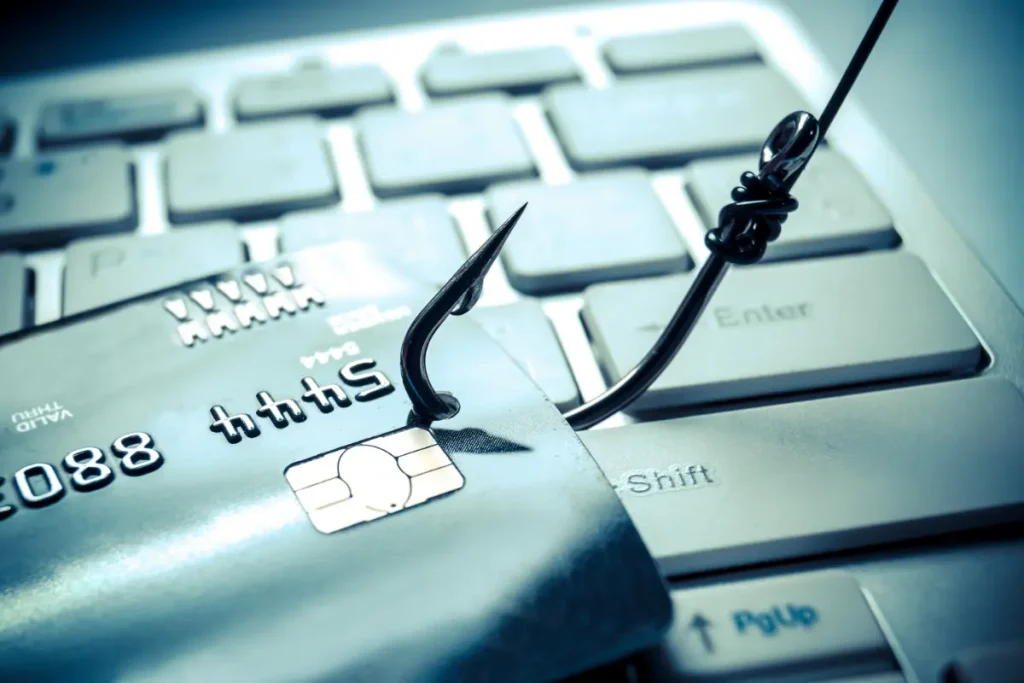
How does phishing work?
Phishing attacks are often particularly insidious because they adapt to the behavior and habits of their victims. Some campaigns target users of specific banks or services, while others are widely disseminated to reach as many people as possible.
Identity Theft
Identity theft involves criminals using stolen personal data to act in the name of their victims. They conduct financial transactions, open accounts, or apply for loans. Often, the misuse is only noticed when unexplained debits, payment reminders, or demands for payment appear – frequently too late to completely prevent the damage.

How does identity theft work?
Identity theft usually begins with the theft of sensitive data . Attackers gain access to personal information such as name, address, date of birth, bank and credit card details through various means:
The perpetrators use the obtained data in a targeted manner to employ it for illegal purposes. Common methods include:
Typical Consequences of Phishing
The consequences of identity theft extend beyond financial damage. Negative entries in credit reports or false accusations can have a long-term impact on the reputation and creditworthiness of those affected.
Hacking
Hacking describes the unauthorized intrusion into computer systems or networks to steal data, sabotage systems, or extort ransom. Attacks of this kind can affect both companies and individuals, and often go undetected for extended periods. This makes hacking particularly dangerous, as the damage can increase significantly in the meantime.

How does hacking work?
Hackers use a variety of techniques to exploit security vulnerabilities and gain access to systems. They have different methods at their disposal:
These attacks are often professional and well-organized. Hackers can systematically gather information to identify vulnerabilities in their target before launching the actual attack. Companies whose IT infrastructure is insufficiently protected are particularly vulnerable.
Typical Consequences of Hacking
The consequences of a successful hacking attack can be serious:
Online Banking Fraud & Credit Card Misuse
Online banking and credit card fraud is among the most common and dangerous forms of cybercrime. Criminals use sophisticated methods to gain access to accounts, manipulate financial transactions, or steal credit card data. The consequences for victims are often dramatic: financial losses, stolen identities, and lengthy recovery processes.
Our Support in Cybercrime
Our law firm offers comprehensive legal advice and representation in all areas of cybercrime. We address your individual situation and support you in enforcing your claims.
Immediate measures in the event of cyberattacks
In the event of a cyberattack, swift action is crucial. Thorough documentation of the incident is the first step in securing relevant evidence and initiating legal proceedings. We provide comprehensive support throughout this process. Following this, we work closely with the appropriate authorities, file a report, and guide you through the entire investigation.
Claims for Damages
We are committed to helping you recover your financial losses, for example, due to crypto trading fraud or phishing. We also investigate whether third parties, such as platform operators or service providers, can be held liable in order to enforce your claims.
Preventive Measures
We help you identify vulnerabilities in your IT systems and offer legal advice to minimize cybercrime risks. In addition, we create customized contracts and data protection policies to strengthen your digital security.
Frequently Asked Questions
Yes, the perpetrators are often international. However, with our expertise and partner networks in IT forensics and criminal law, we significantly increase the chances of success.
It depends on the circumstances. Banks are often held liable if they have not adequately communicated their security measures.
The duration varies depending on the case. Complex attacks can take months, while simpler cases can often be resolved more quickly.
Act immediately by informing your bank, Schufa (Germany’s largest credit bureau), and relevant authorities. We will support you in defending against unlawful claims, protecting your identity, and asserting your claims for damages.
The costs of legal action in cybercrime cases depend on various factors. In many cases, victims must bear the initial costs themselves, such as legal fees or the costs of IT forensic analysis. However, if claims for damages are successfully pursued, these costs can be recovered from the perpetrator or a liable party (e.g., platform operator) as part of the legal proceedings or an out-of-court settlement. Furthermore, existing legal expenses insurance may cover the costs, depending on the policy terms. We will individually assess your options to minimize these costs.
Secure all evidence, such as invoices, order confirmations, and message histories. File a police report and contact your bank to explore the possibility of a chargeback. Seek legal advice to pursue your claims.
Report the incident immediately to your bank, Schufa (Germany’s largest credit bureau), and the relevant authorities. File a police report and have any unjustified claims defended by a lawyer.
Liability depends on the circumstances. If you acted with gross negligence, for example by sharing your TAN or PIN, the bank could hold you liable. Otherwise, the bank is often liable if it had security vulnerabilities in its system.
Report the incident to your bank immediately and have the card blocked. Check your bank statements for further unauthorized withdrawals and file a police report. A lawyer can help you pursue your claims against the bank or other parties involved.
Your Contact Person